 By hneyrooes
 The Top 10 Therapies Or Treatments That Are Most Frequently Used By Safe Laser 1800 & 500
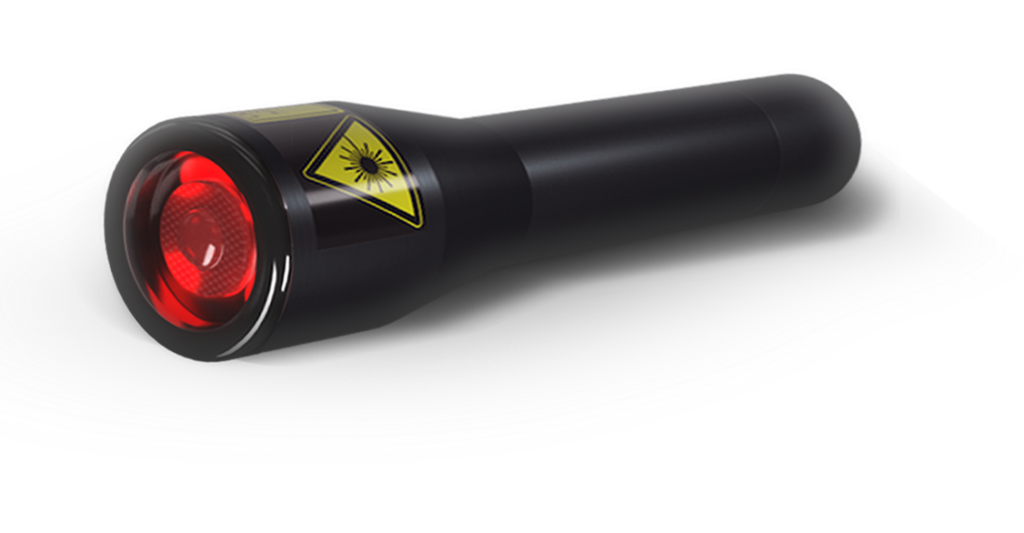
Safe Lasers are versatile instruments in the field photobiomodulation therapy (PBM). They can be utilized in medical, sports, veterinary and rehabilitation techniques. While both the Safe Laser 1800 and 500 can be used for a wide range of conditions, their distinct technical profiles–specifically the 1800's high power and deep-penetrating focus and the 500's hybrid wavelength system and portability–make each unit particularly suited for specific therapeutic niches. The "most frequently used applications" for each device is an exact reflection of their engineering design, optimizing them for different clinical scenarios, from intensive deep tissue treatments to mobile, combined-therapy applications. Knowing these applications can aid clinicians in selecting the right tool to fit their practice and patients.
1. Deep Joint Disorders and Arthritis
The safe Laser 1800: It is the most effective method for treating large joint diseases. Its high power 810nm wavelength penetrates into the synovium, cartilage, as well as joints of the hips, knees and shoulders. It is widely employed to ease discomfort and inflammation due to osteoarthritis, rheumatoid arthritis and frozen shoulder (adhesive capsulitis). A rapid dose delivery system allows clinicians to efficiently treat these complicated areas within a standard visit.
Safe Laser The laser can help alleviate joint pain caused by arthritis. Due to its less intensity, the time to treat will be more lengthy. Also, it is more effective for smaller or medium-sized joints like the ankle, wrist, and elbow. It's a great option for people with moderate or mild arthritis that have a limited mobility practice.
2. Chronic Spinal Conditions
Safe Laser 1800 – The spine is the principal area of SL 1800. It is commonly used for conditions like the facet joint syndrome or spinal stenosis, chronic lower back discomfort, and degenerative disk disease. Deep penetration is essential for reaching the structures underneath layers of muscle tissue. The power of this penetration allows efficient treatment of large areas of paraspinal muscle and the spinal column itself.
Safe Laser 500 – Its spine applications are more restricted. It is specifically designed to treat certain, targeted regions of pain in the spine, such as an inflamed facet joint or a knotted muscle (trigger point) rather than treating the entire lumbar region or thoracic area.
3. Acute Sports Injuries and Major Muscle Trauma
Safe Laser 1800: For athletes with high performance athletes or those with serious injuries, the 1800 is the tool of choice. It is commonly used to deal with acute hamstring and quadriceps injuries, severe muscle tear, and significant ligament sprains. The high-dose treatment helps minimize the time to recover and is highly beneficial in sports medicine clinics.
The safe Laser 500 can treat sports injuries, however it is typically used to treat minor and less serious issues like jumper's knee, tennis elbow, golfer’s elbow and patellar tendinitis (patellar tendonitis) and ligament sprains in the calf. This device can be used for fields and sidelines.
4. Tendinopathies (bursitis) and Tendinopathies
Both models are extremely effective for dealing with chronic tendons problems. The 1800 is a great option for tendinopathies that are deeply seated like gluteal or proximal tendinopathy. The 500 has a great chance of success for treating superficial tendon problems including Achilles Tendinitis as well as Rotator Cuff Tendinitis and Tennis Elbow. Its combination (810 nm) for the tendon and 660 nm of skin and sheath offers a complete treatment.
5. Post-surgical Rehabilitation
Secure Laser 1800 (Safe Laser 1800) The 1800 may be utilized to reduce post-operative swelling and pain in clinical rehabilitation settings. The most common uses of the Safe Laser 1800 are the management of swelling and pain after joint replacements like hip and knee arthroplasty as well as spinal fusions, and ACL reconstruction. The deep penetration of gel assists in accelerating healing at the site of surgery and reduces the requirement for pain medication.
Safe Laser 500: The focus of its role in post-surgical treatments is generally at the location of the cutting. The wavelength of 660 nanometers is perfect for encouraging healing of wounds, decreasing the formation of scar tissue, and improving tissue remodeling around the surgical scar. This is often used after cosmetic surgery and hand surgery.
6. Neuropathic Pain Disorders and Nerve Compression
Safe Laser 1800: Due to its deep penetration, it is ideally suited to treat nerve root pressure such as sciatica, which is caused by a herniated lumbar disc. It may help to reduce the inflammation surrounding the nerve root in the spine, bringing significant relief.
Secure Laser 500: This device can be utilized to treat nerve entrapment, peripheral neuropathies or other similar conditions. The precise application of this device is ideal for conditions such as carpal tunnel syndrome, as well as peripheral diabetic neuropathy. The light can be used to lessen swelling around nerves and to stimulate their repair.
7. Skin Ulcers and Wound Healing
Safe Laser 500: The Laser's 660-nm wave length shines in this application. The laser is utilized by dermatologists at wound care clinics to treat pressure sores, diabetic foot ulcers, as well as venous stasis. The red light increases collagen synthesis and epithelialization. This results in faster healing of wounds.
Secure Laser 1800: While not its primary use it can be utilized for deep tissue injuries that are the basis of the wound, however it lacks the specific superficial wavelength optimization that is available in the 500 for this purpose.
8. Veterinary Applications
Safe Laser 1800 – In veterinary practice, the 1800 is utilized for treating large animals, such as horses suffering from conditions such as bowed muscles, splints, or back soreness. Because of its powerful power, it's able to treat through thick muscle and the skin. In smaller animals, it could be utilized to treat joint problems such as hip dysplasia.
The Safe Laser 500, with its combination of wavelengths as well as portability, is a popular laser used in small-animal clinics. It is used to treat arthritis, skin infections as well as post-surgical wound healing for cats and small dogs.
9. Dental and Maxillofacial Therapies
Safe Laser 500: The 500's shape and 660 nm capability make it extremely common in dental practices. It can accelerate healing after extractions of teeth as well as reduce swelling and pain from TMJ and treat apthous lesions (canker spots) and also manage gum disease.
Secure Laser 1800. This is a less common laser employed in dentistry because it's too large and powerful for the majority of dental issues.
10. Practice-Specific Workflow and Treatment Philosophy
The most common usage of each device is often defined by the specific practice. Safe Laser 1800 is an essential tool for high-volume orthopedics as well as chiropractic and physiotherapy clinics in which deep tissue is the most frequent problem. Safe Laser 500 – the perfect device to use for mobile therapy wound care specialists, dentists, and veterinarians. The Safe Laser 500 offers portability, versatility and the ability of treating a variety of conditions from superficial to mid-depth. Its widespread use is connected to its flexibility across various treatment settings. See the best bemer készülék ára for more examples including www safelaser hu, safe laser 1800, lézerterápia vélemények, lágylézeres kezelés, safe laser vélemények, safe laser kölcsönzés, lagylezer, safe laser 500 bérlés, safe laser vélemények, soft lézer terápia and more.
Safe Laser 1800 & 500 10 Safety Tips You Need To Know
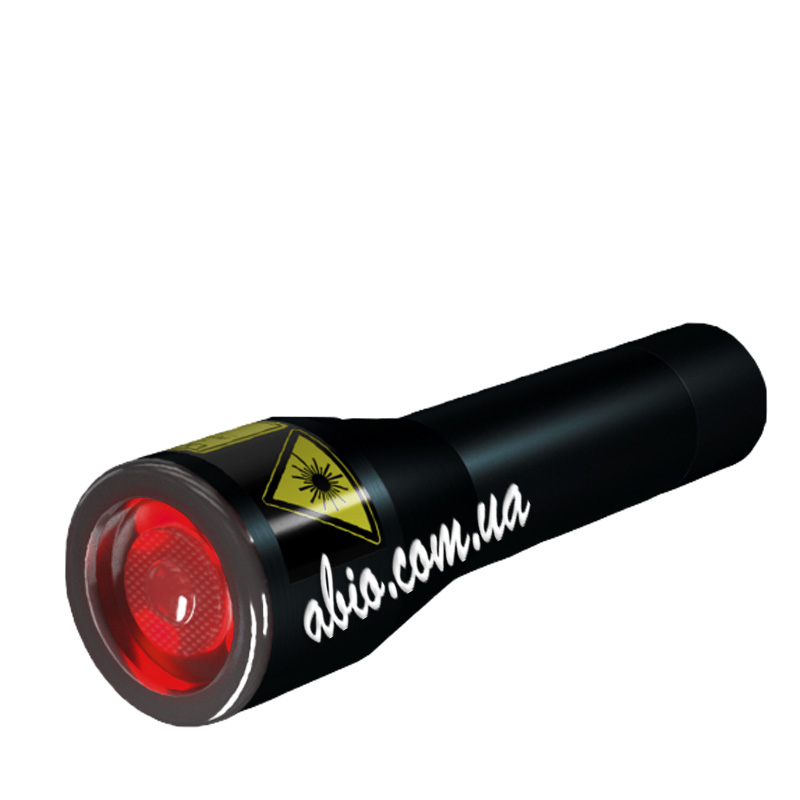
Safe Laser devices have the highest power Class 4 therapeutic laser. They're not ionizing, but they can be incredibly dangerous due to their high power. It is crucial to abide by the rule of "First, do no harm". Patients, whether they are clinicians or trained home users, should operate these devices with a clear understanding of both their therapeutic capabilities and dangers. The safety measures go beyond just reviewing the instruction manual. They require a thorough plan of action, which includes screening prior to treatment and proper operation procedures as well as the strictest adherence to contraindications. This is in order to avoid adverse reactions, ensure the wellbeing of both patient as well as the operator, and avoid negative effects. Following are the detailed safety points that are necessary to ensure the safe and responsible use of the Safe Lasers 1500 and 1800.
1. Absolute contraindications when to avoid using the product entirely
Recognizing conditions where laser use is strictly forbidden is the most critical precaution to take. When laser energy is used in these conditions, it can cause serious injury. Absolute contraindications for lasers include:
Active Carcinoma/Malignancy Avoid putting laser energy to cancerous tumors or metastasis. Theoretically, the light may stimulate cellular activities and promote the development of tumors.
The Thyroid Gland: The thyroid is highly metabolically active, and may be susceptible to photobiomodulation. Applying direct pressure to the thyroid cartilage in the neck is not recommended because of the risk of thyroid function to be affected.
The Abdomen during pregnancy Lasers should never be employed to treat a pregnant uterus to prevent any yet unknown negative impact on the growth of the fetus.
Direct Eye Exposure is a definite and unbreakable rule.
2. Everyone present is required to wear laser safety glasses
It is important to note that even though the wavelength of 810 nanometers is invisibly but it could still cause severe and irreversible eye injuries when the beams are seen directly from the outside or reflect. The single most important physical safety precaution is the use of certified safety glasses for lasers by the user and everyone else in the immediate treatment zone. The glasses must be equipped with a specific rating for 810nm wavelength and an optical density that is suitable for the device power. The standard safety glasses or safety glasses are insufficient, and they can create a false sense security.
3. Proceed with caution when using the following relative contraindications or precautions
Certain conditions should be treated with caution and the treatment should be conducted only following a thorough risk-benefit assessment by a qualified healthcare provider. These include:
Photosensitivity. Patients who are taking medications that cause photosensitization could notice an increase in skin reactions.
Hemorrhage (active bleeding) Don't apply directly on hematomas or bleeding in the acute phase, because vasodilator effects can cause bleeding to increase in the beginning.
The best recommendation is to not treat febrile illnesses if the fever is extremely high.
Endocrine Glands – Unless specified, it is advised to stay clear of endocrine organs such as the thyroid and pineal gland.
Children and Adolescents Avoid direct contact with the epiphyseal plates (growth) of the bones.
4. The Proper Method for Applying Thermal Protection
While Safe Laser Therapy is "cold laser" in principle, because of the power (18W) it is important to keep the device in place for an extended time can result in localized thermal accumulation, which could result in a minor skin burn. As per the instructions of the manufacturer and your clinician it is crucial to keep the device moving at an uninhibited speed throughout the treatment. This will ensure a uniform distribution of the heat and prevent any part that is exposed to a damaging thermal dosage.
5. Assessment of skin condition prior to treatment and preparation
The examination of the treatment area is a quick, but crucial safety measure. The skin should be clean, dry and unharmed. Don't apply the laser over broken skin or rashes or over tissue that is infected without medical guidance. Take off all reflective surfaces such as jewelry from the treatment area. Make sure that the skin doesn't contain any lotions, oils or topical narcotics that could potentially alter skin absorption.
6. Handling Devices and Operational Security
Security is based on the proper handling of the equipment. This includes:
Examining the Device Before making use of the device, check it to find cracks or indications of damage.
Secure Grip. Make sure to use the device using a strong grip. If you can, connect the wrist strap to it. This will prevent you from falling on the laser, damaging the internal or housing components.
Keep the device as well as the safety glasses provided in the protective case when not in use. Keep them away from extreme temperatures and moisture.
7. Environmental Safety and Reflective Surfaces
The treatment environment is to be considered. Be aware of surfaces that reflect light like mirrors, metal fixtures and shiny jewelry. A laser beam reflecting off of a surface could be exactly as dangerous as the main beam. The patient should be placed in a position with you in a way that the laser can't reflect off a surface into the eyes of anyone, even if it's accidentally directed away from the person.
8. Dosage Adherence & the Biphasic response
The strictest adherence to the prescribed doses (Joules/cm2) is a crucial security and efficacy element. The excess energy could have a negative effect on tissues and trigger inflammation. The "more's better" approach to PBM is dangerous and incorrect. Make sure you follow the procedure and time for treatment.
9. The documentation and monitoring of post-treatment treatment
The safety monitoring continues after the device has been switched off. The operator should take note of the condition of the patient following treatment and inquire about any unusual sensations during the 24 to 48 hours following treatment. While serious adverse side effects from regular use are uncommon recording the treatment parameters as well as the responses of patients is critical for tracking long-term results and identifying individual sensitivities.
10. Users' Education and Professional Monitoring
Education is the best method to ensure safety. For clinical staff this would be a formal education on how the device works and the science behind PBM. It means that home users must operate under the constant, strict direction of a certified healthcare professional, who has provided a diagnosis and personalized treatment plan. Safe Laser 1800 and Safe Laser 500 should only be used in conjunction with a full understanding of the safety measures. It is the obligation for the user to make sure they are in a safe operation. Understanding is the most important aspect of safety. Check out the top rated Safe Laser vélemények for more info including lágylézer vásárlás, safe laser 500 részletre, orvosi lézer készülékek, lézerterápia hatása, lézeres fájdalomcsillapítás, safelaser hu, lágylézeres készülék, soft lézer kezelés ára, lézeres kezelés gy?r, lézerfény terápia and more.